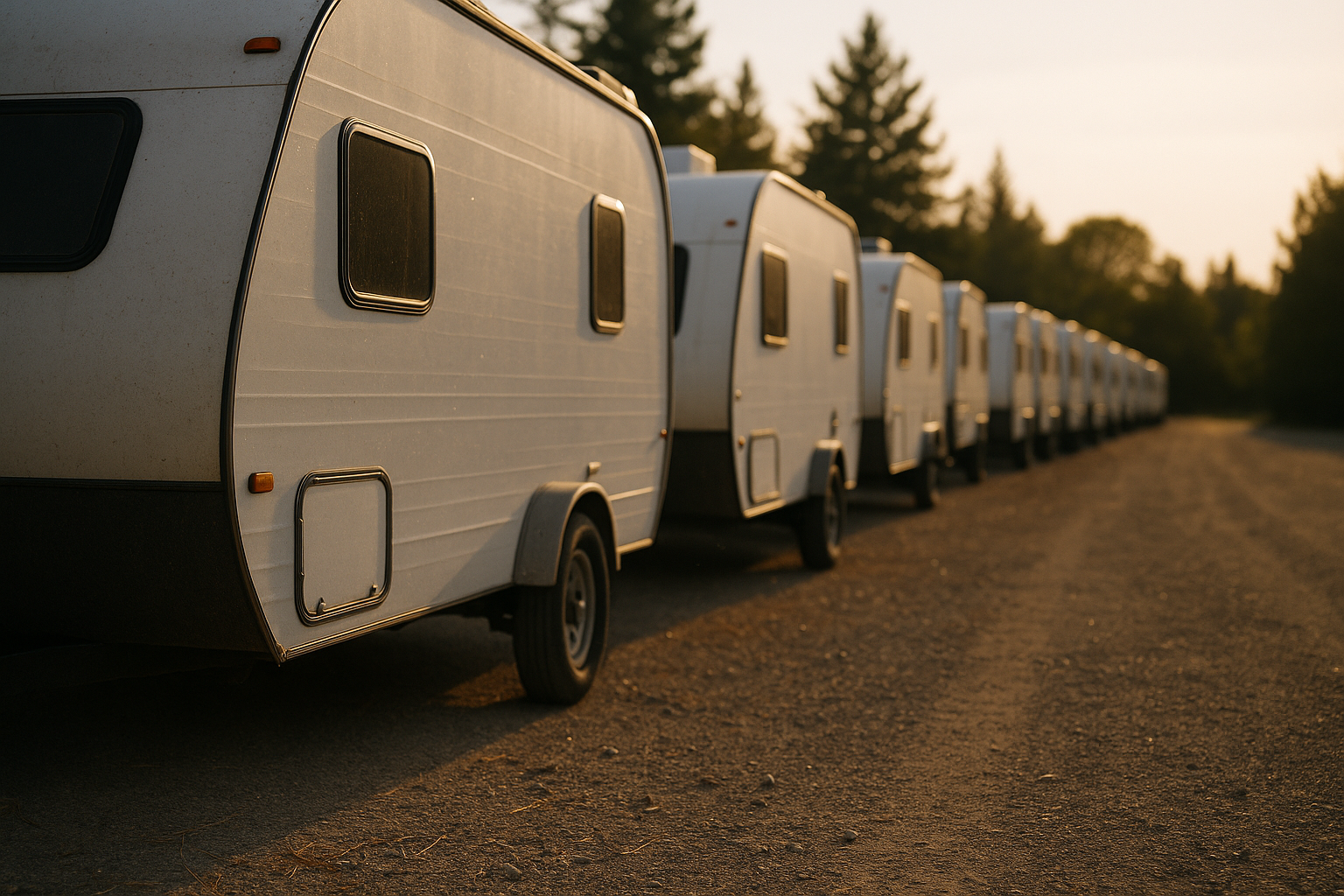
Explore the benefits of unsold campers in this comprehensive guide. Read More.
Introduction and Outline: Why Unsold Campers Deserve a Closer Look
Unsold campers sit quietly on dealer lots like unclaimed postcards from future road trips—full of potential, waiting for the right traveler. For many buyers, these units represent a practical path into camping and road-travel life without paying early-adopter premiums. They’re typically new, covered by manufacturer and dealer protections, and often discounted due to timing and inventory needs. Yet value is never just about price; it’s about matching features and long-term costs to the way you actually camp. That’s where a disciplined approach turns an overlooked camper into a confident purchase.
This guide starts with a clear outline so you know what’s coming and how to use it. We’ll connect market dynamics to the real dollars you spend, then move into inspection and negotiation strategies, closing with ownership pointers. Read it front to back, or jump to the part you need most and circle back as your search narrows.
Roadmap for this guide:
– Market dynamics: Understand why units remain unsold, including seasonal cycles, supply fluctuations, and model-year transitions.
– Money matters: Learn how pricing, incentives, and financing influence total cost of ownership over several seasons.
– Inspection and negotiation: Use a systematic checklist to spot aging-from-sitting issues and convert findings into respectful, fact-based bargaining.
– Ownership confidence: Clarify warranty coverage, service networks, and maintenance habits that protect both your wallet and your weekends.
How to use the outline: skim the bullet points above, then compare them with your camping style—solo or family trips, long hauls or local weekends, full hookups or off-grid. A couple who boondocks twice a year may prioritize battery health and roof integrity over luxury features, while a family planning cross-country routes might focus on tire date codes, storage ergonomics, and tow-weight margins. Throughout, we’ll pull in practical examples and rule-of-thumb figures so you can estimate impact without a spreadsheet. By the end, you should be able to look past stickers and shine to assess whether an unsold camper is simply waiting for you—or better left for someone else.
Market Dynamics: How Campers Become “Unsold” and Why That Can Work for You
Unsold campers usually aren’t flawed; they’re victims of timing. Dealers place orders months ahead, often using historical sales and regional trends. When demand softens, shipments arrive after peak buying season, or a new model year lands early, units can linger. After the surge in outdoor travel interest, some regions experienced a normalization phase, leaving lots with more inventory than expected. Add shifting fuel prices, interest rates, and weather disruptions, and perfectly good campers become “unsold” simply because the calendar turned.
Common reasons units remain unsold:
– Seasonal mismatch: Stock arriving after prime selling months sits through winter or shoulder seasons.
– Model-year overlap: New editions push last year’s inventory to the back row, even if specs changed little.
– Allocation quirks: Dealers get floor stock that doesn’t match local preferences for length, layout, or tow weight.
– Macro swings: Economic uncertainty, travel pattern shifts, or severe weather delays purchase decisions.
Why this helps you: inventory aging creates carrying costs for dealers, including floorplan interest and lot space. As days-on-lot climbs, managers weigh the benefits of cash flow and turnover against holding out for fuller margins. That balancing act can translate into price flexibility or value-adds for patient, well-prepared buyers. Timing matters: the end of a model year, quarter, or local season can improve your leverage. So can a modest cosmetic blemish—think a scuffed compartment door or hairline scratch—that doesn’t affect function but lowers showroom appeal.
It’s also useful to understand that updates between model years are often incremental. While some overhauls are meaningful, many cycles feature modest décor shifts, option bundling, or technology tweaks. If you can live without the very latest trim or interface, an unsold prior-year unit may deliver nearly identical camping utility for a lower out-the-door figure. The key is separating marketing sizzle from livability: sleeping capacity, storage, weight, insulation, and systems reliability tend to matter more once the campsite replaces the catalog.
Finally, location plays a role. A floor plan that’s slow in a coastal market might be a quick seller inland, and vice versa. Expanding your search radius—within reason for transport costs—can surface quiet lots where your ideal configuration waits under a light film of dust and a motivated price tag.
Money Matters: Pricing, Incentives, and the Real Total Cost of Ownership
Discounts draw attention, but value emerges from the full math: upfront price, financing, add-ons, taxes, and what it costs to own over time. Unsold campers can be priced below the original asking figure, sometimes paired with incentives like reduced fees or accessory bundles. The headline number, however, is only a starting point. Compare the “out-the-door” price across multiple dealers, and anchor your thinking on how you’ll use the camper over three to five years.
Depreciation is one of the biggest line items. RVs and campers often see the steepest drop early on, with commonly cited ranges in the mid-teens to mid-twenties percent in the first year, depending on segment, demand, and condition. An unsold prior-year unit that’s still new can allow you to skip part of that early curve, especially if the current model brings minimal changes. When estimating resale, factor in mileage, maintenance records, and regional demand for your layout and weight class.
Typical ownership costs to plan for:
– Insurance: Varies by region, value, usage, and storage method.
– Registration and taxes: One-time and annual fees differ widely; get accurate local figures.
– Storage: Outdoor lots can be economical; indoor or covered storage adds cost but reduces weathering.
– Maintenance: Roof resealing, bearings, appliances, battery replacement, and freshwater sanitizing are predictable tasks.
– Usage costs: Fuel for tow vehicles or motorized units, campsite fees, and consumables like hoses and filters.
Financing small differences in price can have outsized effects over a long term. A slightly lower rate or shorter term may save more than an additional accessory credit. Ask for a fully itemized quote, including doc fees, prep fees, and any add-on packages. Compare dealer financing with a pre-approval from your bank or credit union; even if you choose the dealer plan, a pre-approval frames negotiations around a real, competitive benchmark.
When trade-ins enter the picture, separate the numbers. Request a transparent valuation for your current unit and a clean purchase price for the new camper. Blended offers can mask where concessions are happening. If a dealer can’t meet your target on price, explore non-cash value: upgraded batteries, weight-distribution equipment, extended service contracts, or preseason maintenance coupons. The goal isn’t to chase every dollar; it’s to assemble a package that makes sense when you tally what you’ll spend, save, and enjoy across actual weekends away.
Inspection and Negotiation: Turning Lot Time into Leverage Without Cutting Corners
Unsold campers may be new, but time on a lot still leaves traces. Sun, rain, and inactivity can age components differently than highway miles. Before you talk numbers, inspect as if you’ll camp tonight. Open, close, switch, fill, drain—make the systems prove themselves. Document findings with photos and polite notes; you’re building a shared, factual basis for negotiation rather than a list of complaints.
High-impact checks during a walkthrough:
– Roof and seals: Look for cracked sealant, loose trim, or signs of pooling; verify the condition along vents and edges.
– Tires: Confirm date codes, sidewall condition, and even wear; prolonged sitting can cause flat-spotting or drying.
– Electrical: Test shore power connections, outlets, lights, and battery state; ensure converter/charger operation is stable.
– Plumbing: Pressurize the system, check for drips, run water through all fixtures, and inspect water heater operation.
– Appliances: Operate the refrigerator, cooktop, HVAC, and any onboard power systems long enough to reach normal cycles.
– Structure and trim: Open every cabinet and compartment; look for swollen wood, misaligned latches, or delamination.
– Safety gear: Confirm detector dates, fire extinguisher status, and egress window operation.
Translate issues into solutions rather than ultimatums. If you find weathered sealant, propose a professional reseal and document it on the purchase order. If tires are aged, request replacements or a credit. If a battery has sat too long, ask for fresh batteries with receipts. Bundle minor items into one clear ask; it’s easier for a manager to approve a concise remedy than to chase piecemeal requests.
Negotiation strategies that respect both sides:
– Target the out-the-door price: Taxes and fees matter as much as sticker math.
– Time your visit: Late in the month, quarter, or model-year turnover often improves flexibility.
– Bring comparables: Print or save listings for similar units, noting features and days-on-market where available.
– Be ready to sign: A fair, firm offer paired with credible financing can unlock concessions a casual inquiry won’t.
– Keep the tone collaborative: Sellers respond better to well-prepared buyers than to pressure tactics.
Finally, insist on a thorough pre-delivery inspection with you present, even if you already walked the unit. Systems that work for ten minutes should also work for an hour. Ask the technician to demonstrate winterization bypasses, breaker locations, and manual overrides for slides or stabilizers. You’re not just buying a camper—you’re taking stewardship of a small, mobile home. Confidence begins with understanding.
Conclusion and Next Steps: From Silent Lot to Lively Campsite
If you’ve read this far, you already think like a value-focused traveler: curious, methodical, and eager to turn overlooked inventory into unforgettable weekends. Unsold campers reward that mindset. They blend new-unit protections with pricing shaped by timing rather than defects, and they respond well to buyers who pair clear priorities with respectful diligence. The path from lot to trailhead is shorter when you know which numbers matter, which features last, and which risks can be managed with a careful eye and a well-written purchase order.
Practical next steps for different buyers:
– First-time owners: Start with a realistic tow rating or payload, a floor plan that fits your daily rhythm, and a starter kit of essentials bundled into the deal.
– Growing families: Weigh sleeping capacity and storage against overall length; ask for upgraded tires and a reseal to start trips with margin.
– Remote-work travelers: Prioritize power systems, insulation, and workspace ergonomics; negotiate battery and charging upgrades on an aging unit.
– Seasonal campers: Focus on protection from the elements and a maintenance plan that includes preseason checks and midyear inspections.
Before you sign, summarize your agreement in writing: price, fees, included accessories, repairs to be completed, and pickup timeline. Verify warranty start dates and coverage terms, especially for components with their own policies. Ask for the service manager’s card and schedule your first annual inspection right away; putting it on the calendar signals you intend to maintain the camper and return for service if needed. Then, when you finally roll off the lot, you’ll do it with quiet assurance—knowing you didn’t just find a deal, you found a fit. The campsite will take care of the rest: coffee steaming in the cool morning, a door that shuts with a solid click, and a small home that feels like it was waiting for you all along.


